
In Jacksonville, buying a home typically requires your down payment, lender and title fees, Florida-specific taxes tied to your mortgage, inspection costs, prepaid escrow for taxes and insurance, and a post-closing reserve cushion. Based on 2026 closed-sale data showing a median price near $290,000, the exact total depends on your loan type, what you negotiate in the contract, and how much your lender requires in reserves after closing.
This is the question I get more than almost any other from buyers who are ready to make an offer but aren't sure if their bank account is actually ready. Let me break it down the way I walk every client through it.
Where Jacksonville Prices Actually Sit in 2026
Before you can figure out how much cash you need, you need a realistic number to work from. Here's what the data shows.
According to Resideline's 2026 market review, updated in August 2026, there were 8,066 closed sales in Jacksonville over the last six months with a median closing price of $290,000. The middle half of those sales closed between $199,000 and $395,000. That's your realistic operating range for most purchases in this market right now.
Zillow's Jacksonville market data through mid-2026 puts the average home value at $286,646 and the median sale price at $283,333, which is consistent with what I'm seeing on the ground. These are portal estimates, not MLS-official figures, but they confirm that most active buyers are working in the high-$200Ks to low-$300Ks range.
A January 2026 tiered analysis from Stacker adds useful context: the starter tier sat around $244,837 and the mid tier around $369,959, based on January 2026 monthly averages. Those numbers have shifted since then, but they illustrate that Jacksonville has real range depending on where and what you're buying.
One thing I always flag for relocation clients: if you're comparing Jacksonville to neighboring St. Johns County, the median there runs around $513,000. Crossing the county line from Duval into St. Johns (think Nocatee, RiverTown, Silverleaf) materially changes your price point and therefore your total cash requirement. That's not a reason to avoid St. Johns, but it's a reason to be clear about which market you're budgeting for.
| Data Source | Metric | Value (2026) |
|---|---|---|
| Resideline (Aug 2026, last 6 months) | Median Closing Price | $290,000 |
| Resideline (Aug 2026, last 6 months) | Middle 50% of Sales | $199,000 – $395,000 |
| Zillow (mid-2026 estimate) | Median Sale Price | $283,333 |
| Stacker (Jan 2026 snapshot) | Starter Tier Median | ~$244,837 |
| Stacker (Jan 2026 snapshot) | Mid Tier Median | ~$369,959 |
| St. Johns County (2026 regional) | Neighboring County Median | ~$513,000 |
The Five Buckets of Cash Every Jacksonville Buyer Needs
Here's how I frame it for my clients: your total cash requirement isn't one number, it's five separate buckets. Knowing what goes in each one is how you avoid surprises at the closing table.
1. Down Payment
Your down payment is the biggest single piece and it's entirely driven by your loan program, not by any Jacksonville-specific rule. Conventional loans can go as low as 3% for qualifying first-time buyers. FHA loans sit at 3.5% minimum. VA and USDA loans can go to zero down for eligible borrowers. Jumbo loans typically require more.
Lower down payments are common here. A lot of buyers in this market, especially in the $250K–$350K range, are not putting 20% down. The tradeoff is private mortgage insurance (PMI) on conventional loans below 20%, which adds to your monthly payment. Your lender will walk you through the math on each scenario. According to the CFPB's homebuying resources, understanding the full cost difference between loan programs before you commit is one of the most important steps a buyer can take.
Down payment and closing costs are separate buckets. I see buyers confuse them constantly. Your down payment goes toward the purchase price. Your closing costs are on top of that.
2. Closing Costs (Lender, Title, and Florida-Specific)
This is where Jacksonville buyers often get caught off guard, because Florida has a couple of state-level costs that don't exist everywhere.
Lender fees include origination charges, underwriting, application fees, appraisal, credit report, and flood certification. These are set by your lender, not by local law. Shop at least two or three lenders and compare Loan Estimates side by side.
Title-related costs include the title search, the lender's title insurance policy (required if you're financing), and the owner's title insurance policy (strongly recommended). In Florida, who pays which title cost is negotiable in the contract. There's no statute that mandates one side pay. Local custom varies, so don't assume anything is automatically the seller's cost until you see it in writing.
The settlement or closing fee is charged by the closing agent handling your transaction. Again, this is negotiable between the parties.
Recording fees are charged by the Duval County Clerk of Court for recording the deed and mortgage. These are fixed by the county's fee schedule and are relatively modest, but they're real costs you'll see on your Closing Disclosure.
Then there are two Florida-specific costs worth understanding:
- Documentary stamp tax on the deed: Florida levies a doc stamp tax at $0.70 per $100 of consideration on real estate deeds, per the Florida Department of Revenue. This applies in Duval County (Jacksonville). Who pays it is negotiable in the contract. It's commonly treated as a seller cost in many Florida transactions, but that is not required by law. Parties can agree otherwise, and I've seen it go both ways.
- Nonrecurring intangible tax on the mortgage: Florida also charges a nonrecurring intangible tax on new mortgage obligations at 0.2% of the principal loan amount, per the Florida Department of Revenue's intangible tax guidance. This is customarily a buyer/borrower cost because it's tied to your new loan. It shows up on your Closing Disclosure.
The CFPB's closing cost explainer is a solid resource for understanding what each line on your Closing Disclosure means before you get to the table.
3. Inspections
Inspections are buyer-paid, upfront, and happen during the inspection period after you're under contract. They are not part of your closing costs, but they are real out-of-pocket expenses you need to budget for.
In Jacksonville, standard practice typically includes:
- General home inspection, the foundation of your due diligence; cost varies by size and age of the home
- WDO (wood-destroying organism) inspection, termites and other WDO are a real issue in Florida's climate; some lenders require it, and I recommend it regardless
- Four-point inspection (roof, plumbing, electrical, HVAC), frequently required by homeowners insurance carriers, especially on older homes
- Wind mitigation inspection, not required by law, but common in Florida because it can qualify you for insurance discounts that meaningfully lower your ongoing costs
- Pool inspection, if the home has a pool, budget for this separately
These fees are paid directly to the inspector, usually at the time of service. They are non-refundable once performed, even if you walk away from the deal. Plan for them before you go under contract.
4. Prepaids and Escrow Setup
This bucket trips up a lot of buyers because these aren't fees, exactly. They're money you're paying in advance for things you'll owe anyway.
Prepaids and escrow setup typically include:
- Prepaid homeowners insurance, most lenders require the first year's premium paid at or before closing
- Prepaid interest, interest accrues from your closing date to the end of that month; you pay it upfront
- Initial escrow deposit, your lender will set up an escrow account for ongoing property taxes and insurance; they'll typically require a cushion of a few months deposited at closing
Florida's homestead exemption is worth understanding here. Once you establish primary residency and apply, Florida's Constitution provides up to $50,000 in assessed value exemption for your primary home. This reduces your ongoing property tax bill, which affects your monthly escrow payment going forward. You apply after closing, not at closing, but it's a real financial benefit to plan around.
Property tax rates in Duval County are based on the most recently certified millage roll. The 2025 roll is the most recent certified rate available as of August 26, 2026. Your lender will use current county rates to estimate your escrow requirement, so the number on your Loan Estimate will reflect local Duval County figures.
5. Post-Closing Reserves
This is the bucket most buyers forget, and it's the one that causes the most stress in the first year of homeownership.
Lenders often require you to have a certain amount of liquid assets remaining after closing, typically expressed as one or more months of mortgage payments. This is a lender guideline, not a local statute, and it varies by loan program and lender.
Beyond what the lender requires, I always encourage my buyers to maintain a personal emergency cushion. Homes need things. An HVAC unit that runs hard through a Jacksonville summer, a roof that needs attention, a plumbing issue you didn't catch in inspection. You want cash available without going into debt the moment something breaks.
The National Association of Realtors' research consistently shows that buyers who plan for post-closing costs report higher satisfaction with their purchase. That's not a coincidence.
Frequently Asked Questions (FAQs)
What's the difference between cash to close and down payment on a Jacksonville home purchase?
Your down payment is the portion of the purchase price you're paying out of pocket, separate from your loan. Cash to close is the total amount you wire to the closing agent on closing day, which includes your down payment plus closing costs, prepaid interest, escrow setup, and any other fees due at settlement. They're related but not the same number, and confusing them is one of the most common budget mistakes I see.
Do I have to put 20% down to buy a house in Jacksonville, or are lower down payments common here?
Lower down payments are very common in Jacksonville. FHA loans allow as little as 3.5% down, conventional loans can go as low as 3% for qualifying buyers, and VA loans offer zero-down options for eligible veterans and service members. The tradeoff is that lower down payments usually mean paying private mortgage insurance (PMI) until you reach sufficient equity. Your lender can show you the monthly cost difference across scenarios so you can decide what makes sense for your budget.
What inspections are standard for Jacksonville homes, and when do I pay for them?
In Jacksonville, most buyers order a general home inspection, a WDO (termite) inspection, and a four-point inspection covering the roof, plumbing, electrical, and HVAC. A wind mitigation inspection is also common because it can qualify you for homeowners insurance discounts. These are all buyer-paid expenses that happen during the inspection period after you go under contract, and they're paid directly to the inspector at the time of service, not at closing.
Who usually pays the Florida doc stamp tax and other closing fees in a Jacksonville deal?
Florida's documentary stamp tax on the deed is set at $0.70 per $100 of consideration statewide, per the Florida Department of Revenue, but who pays it is negotiable in the contract. It's commonly treated as a seller cost in many Florida transactions, but that's not required by law. The nonrecurring intangible tax on the mortgage (0.2% of the loan amount) is customarily a buyer cost because it's tied to the new loan. Title fees, the settlement fee, and recording costs are also negotiable between parties, which is why your contract terms matter as much as the price.
How much money should I keep in reserves after closing on a house in Jacksonville?
Beyond what your lender requires, I tell every buyer to keep a personal emergency cushion in liquid savings after closing. Jacksonville homes deal with real wear factors, including heat, humidity, and storm season, so unexpected repair costs are a matter of when, not if. The exact amount depends on your home's age, condition, and your own risk tolerance, but going into homeownership with no buffer is a situation I always encourage buyers to avoid.
Are closing costs negotiable when I make an offer on a house in Jacksonville, Florida?
Some are and some aren't. The Florida doc stamp rate and the intangible tax rate are fixed by statute, though who pays them is negotiable. Lender fees are set by your lender, not by local law. What is negotiable is who pays title and settlement fees, and whether the seller offers a credit toward your closing costs. In the right market conditions, a seller concession can meaningfully reduce your cash-to-close. Whether it's realistic to ask depends on the property and current inventory, which is something I assess deal by deal.
What's Negotiable and What Isn't
One of the most valuable things I do for buyers is help them understand where they have leverage and where they don't. Here's a clear breakdown:
Fixed by Florida law (rate is set, but who pays is negotiable):
- Documentary stamp tax on the deed: $0.70 per $100 of consideration, per the Florida Department of Revenue
- Nonrecurring intangible tax on the mortgage: 0.2% of the loan principal, per the Florida Department of Revenue
- Recording fees: fixed by the Duval County Clerk's fee schedule
Set by your lender or service provider (exist for every transaction, but amounts vary):
- Origination, underwriting, and application fees
- Appraisal, credit report, flood certification
- Title search, title insurance premiums, settlement fee
Negotiable in the purchase contract:
- Seller concessions toward buyer closing costs
- Who pays title insurance and settlement fees
- Home warranty coverage (sometimes offered as a seller concession)
- Additional inspections beyond the standard set
Seller concessions are one of the most underused tools in a buyer's toolkit. In a market where sellers are motivated, asking for a credit toward closing costs can meaningfully reduce your cash-to-close without changing the purchase price. Whether that's a realistic ask depends on the specific property and current market conditions. That's a conversation we'd have before you write the offer.
Broker fees and commissions are fully negotiable and not set by law. There is no standard or fixed rate. The listing fee is agreed upon in the seller's listing agreement, and any compensation a seller chooses to offer a buyer's agent is optional and separately negotiable.
For a deeper look at what the home-buying process looks like in Northeast Florida specifically, the Northeast Florida Association of Realtors (NEFAR) is the regional MLS and trade body covering this market.
Get a Realistic Number Before You Make an Offer
The buyers who show up most prepared are the ones who've already mapped out all five buckets before they fall in love with a house. Your specific cash-to-close number depends on your loan program, the purchase price, what you negotiate in the contract, and your lender's reserve requirements. The only way to get a real figure is to run it with someone who knows this market.
I work with buyers across Jacksonville, Nocatee, RiverTown, Silverleaf, EverRange, and Ponte Vedra Beach every week. If you want to walk through your budget before you start making offers, let's talk.
LET'S TALK ABOUT YOUR NEXT MOVE
Call/Text: (904) 599-2125
Email: greg@livinginjacksonvillefl.com
Website: https://www.livinginjacksonvillefl.com/
Want more real estate insight like this? Follow and Subscribe to the Living in Jacksonville FL Team on YouTube (@LIVINGINJACKSONVILLEFL) for neighborhood tours, market updates, and buyer tips you won't find anywhere else.
About Greg DeTullio, Broker/Owner, Living in Jacksonville FL Team
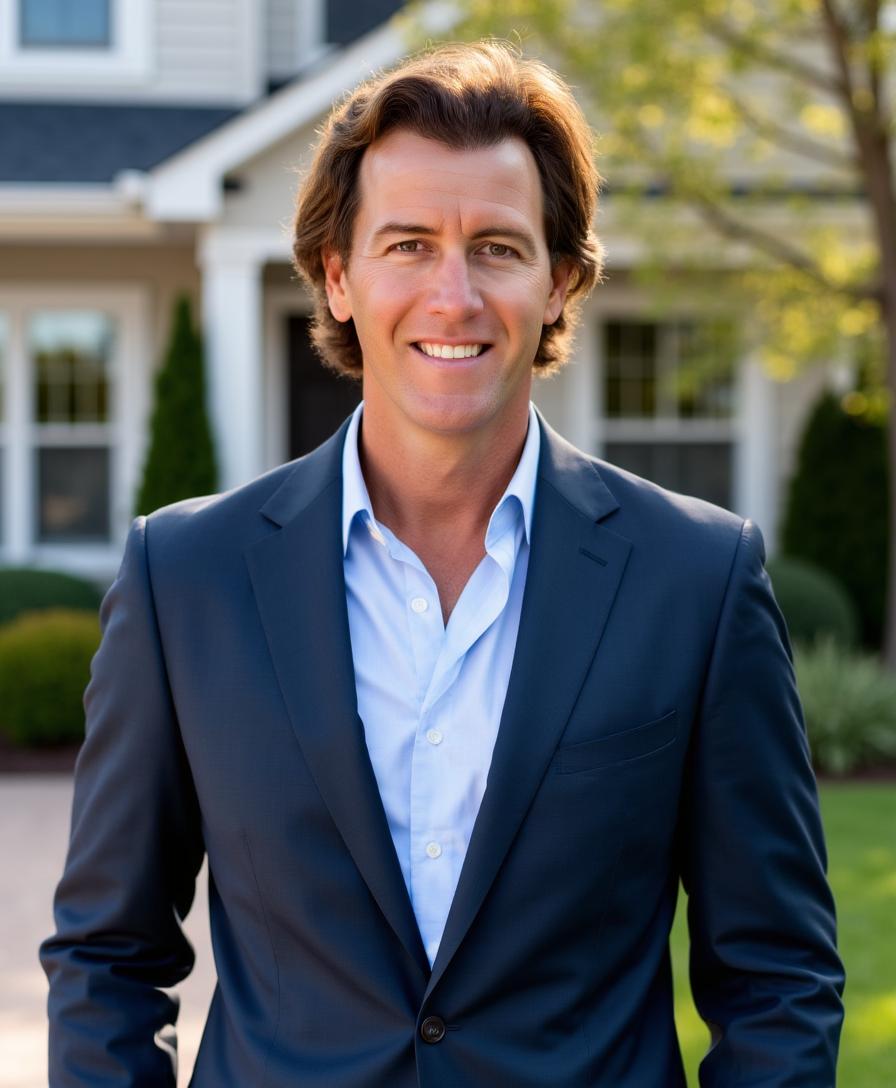
Greg DeTullio is a Florida-licensed Real Estate Broker and the founder of the Living in Jacksonville FL Team. With a decade of industry expertise, he has successfully managed over 200 closed transactions and earned five-star Google reviews. Greg specializes in Jacksonville relocation services and new construction within St. Johns County, proudly serving Nocatee, SilverLeaf, RiverTown, St. Johns, EverRange, Ponte Vedra Beach, and the surrounding Northeast Florida communities.
Living in Jacksonville FL Team | Phone: (904) 599-2125
Equal Housing Opportunity. Greg DeTullio, FL Real Estate Broker License #BK3332620, is a member of the Northeast Florida Association of Realtors (NEFAR). This article is general information only and does not constitute legal, tax, or financial advice. Confirm your specific costs, tax obligations, and transaction details with your attorney, tax advisor, lender, or closing officer.
Posted by Greg DeTullio onEnjoy this blog post? Click here to subscribe for updates
Leave A Comment